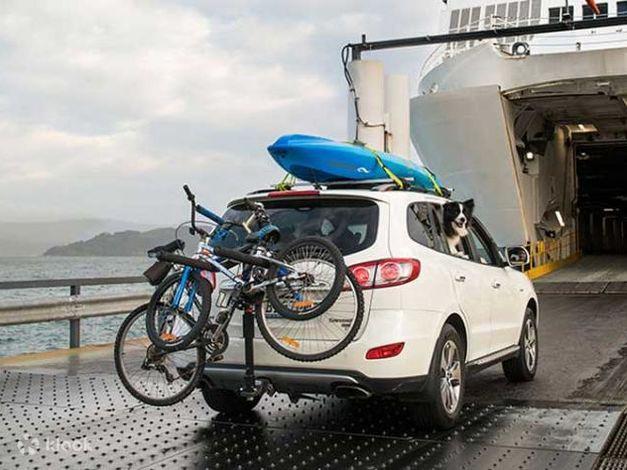
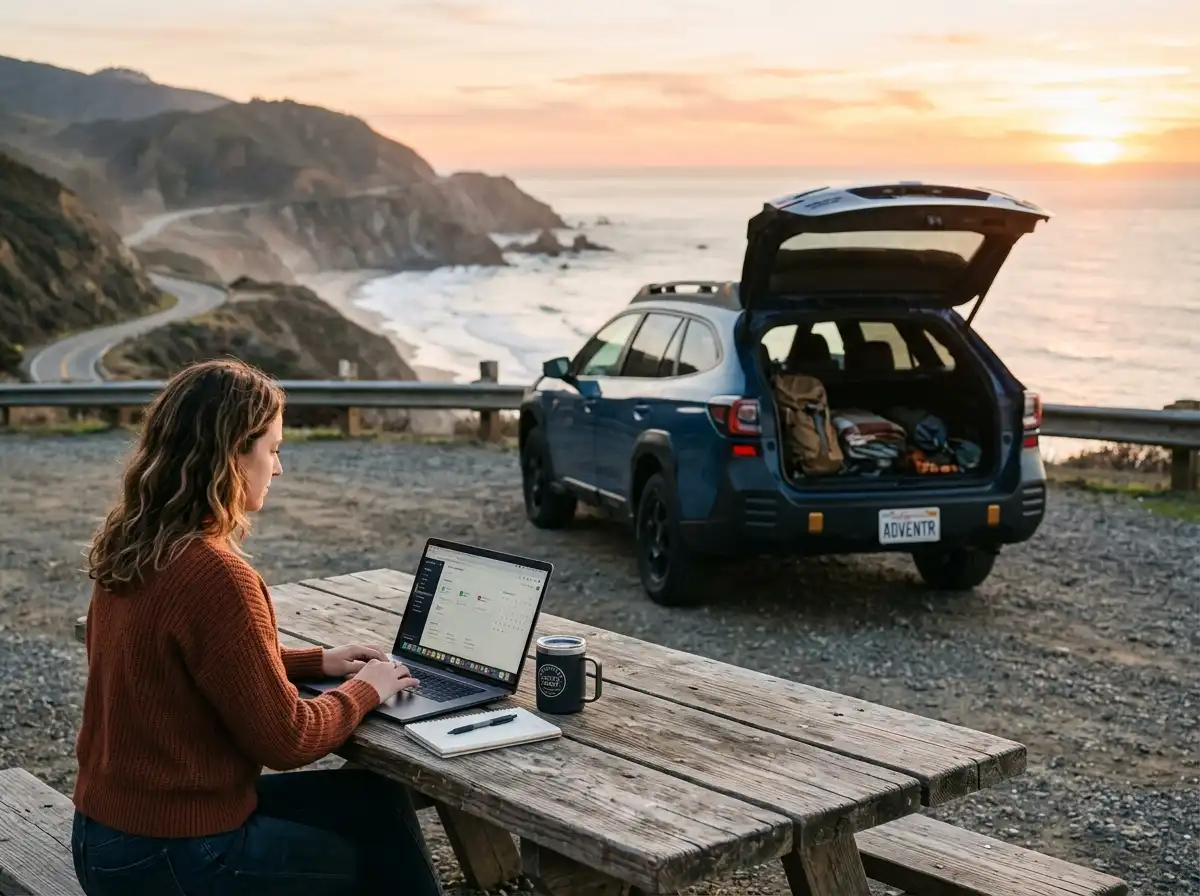
The traditional concept of vehicle ownership is undergoing a massive, structural transformation. For decades, consumers were forced into a binary choice when it came to securing a set of wheels: sign a multi-year finance lease that locked you into a single vehicle for three to five years, or pay premium daily rates at traditional airport car rental counters for short-term vacations. While this model worked perfectly for a population tied down to a single geographic location and a standard nine-to-five office routine, it has become a major roadblock for the modern workforce.
Today, millions of remote workers, freelancers, and independent entrepreneurs are breaking free from geographic constraints. As this location-independent lifestyle shifts from a niche subculture into a dominant global demographic, the demand for flexible, asset-light living has skyrocketed. These travelers do not stay in one city long enough to justify a traditional vehicle lease, yet traditional daily rental rates quickly become cost-prohibitive over a month or two. The industry response to this mobility gap is the rapid rise of micro-leasing—proving that a flexible car subscription for digital nomads is officially the future of travel mobility.
What is a Car Subscription and How Does It Work?
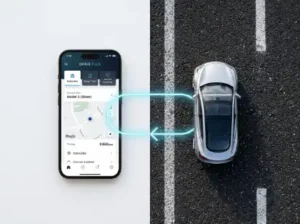 At its core, a car subscription bridges the gap between short-term car rentals and long-term automotive leasing. Instead of signing a rigid, multi-year financial contract that requires credit checks, down payments, and massive early-termination fees, a car subscription operates exactly like your favorite digital streaming platform. You pay a predictable, transparent monthly fee to access a vehicle, and at the end of the 30 days, you retain the complete freedom to renew, swap the vehicle for a different model, or cancel the subscription entirely without penalty.
The true magic of this model lies in its comprehensive, all-inclusive nature. When a digital nomad utilizes a vehicle subscription, the monthly price doesn’t just cover the metal and rubber. It systematically bundles routine maintenance, comprehensive insurance coverage, roadside assistance, and vehicle registration into a single, consolidated invoice. For a traveler moving between seasonal hubs, this eliminates the logistical nightmare of setting up separate insurance policies or managing unexpected mechanical bills in an unfamiliar city.
The Financial Pitfalls of Traditional Alternatives
To fully appreciate the economic logic of a car subscription for digital nomads, one must break down the financial inefficiencies of trying to adapt old automotive models to a location-independent lifestyle:
- The Daily Rental Trap: Standard short-term car rentals are priced dynamically based on seasonal tourism spikes. While renting a car for a four-day weekend is perfectly reasonable, extending that same daily rate over a 60-day or 90-day remote work stay will absolutely decimate a travel budget, piling on hidden airport fees, refueling penalties, and mandatory daily collision damage waivers.
- The Long-Term Lease Lock-In: Traditional auto leases are built entirely around fixed stability. Breaking a conventional 36-month lease because your travel plans shifted from the mountains to a beach destination will trigger astronomical early-exit penalties that can easily run into thousands of dollars, completely defeating the purpose of flexible remote work.
- The Used Car Cash Flush: Some long-term nomads attempt to buy a cheap, used vehicle upon arrival in a new destination with the intention of selling it before they leave. This approach is fraught with hidden risks, including wasted travel days dealing with local title transfers, unexpected breakdown costs, and the high probability of losing money during a rushed, desperate fire-sale before an international flight.
Why the Subscription Model Perfectly Complements Remote Work
The core ethos of the digital nomad lifestyle is built around freedom, adaptability, and the elimination of unnecessary mental baggage. A vehicle subscription perfectly maps onto these psychological and logistical needs, acting as an extension of a traveler’s flexible workspace architecture.
Consider the seasonal migration patterns of remote workers. A nomad might spend the winter months navigating snowy mountain roads in Colorado or the European Alps to ski before moving down to a sunny coastal town in Portugal or California for the summer. A traditional vehicle owner or lessee is stuck with whatever car they chose years prior. Under a flexible subscription model, that same traveler can subscribe to a rugged, four-wheel-drive SUV equipped with a ski rack for the winter months, cancel the contract when they fly out, and then subscribe to a compact, fuel-efficient hybrid hatchback upon landing at their summer destination to easily navigate tight coastal alleyways and save on fuel.
Streamlined Logistics: App-Driven Onboarding
 Beyond the financial flexibility, the user experience of micro-leasing is tailored specifically for a tech-savvy generation that values speed and digital integration. Traditional car leasing requires hours of physical paperwork, showroom visits, and bureaucratic negotiations. Traditional rental counters often involve long lines, high-pressure upsells, and confusing insurance fine print.
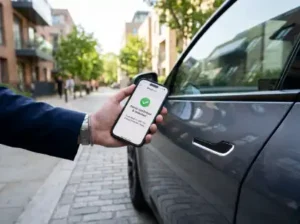
In stark contrast, setting up a car subscription for digital nomads is a completely frictionless, digital-first experience. The entire onboarding process—from identity verification and driver’s license uploading to selecting your specific vehicle and choosing your insurance tier—is handled seamlessly through a mobile application or intuitive web portal. Once approved, the vehicle is either prepared for a quick, keyless contactless pickup or delivered directly to your temporary co-living space or Airbnb, allowing you to hit the road and establish your mobile office within minutes of arrival.
Conclusion: Driving into an Asset-Light Future
Ultimately, the rapid rise of car subscription models reflects a deeper macroeconomic shift away from the burdens of heavy asset ownership toward a lean, access-driven economy. Digital nomads have already revolutionized how we view real estate through co-living platforms and how we view workspaces through co-working networks. It is only logical that transportation follows the exact same path of flexible democratization.
By transforming the automobile from an anchor of long-term debt into a highly adaptable, monthly utility service, car subscriptions give remote workers the final piece of the geographic freedom puzzle. You no longer have to sacrifice personal mobility to maintain a nomadic lifestyle. The roads are calling, the Wi-Fi is strong, and with a flexible subscription waiting in your next destination, your mobile office has never been more liberated.