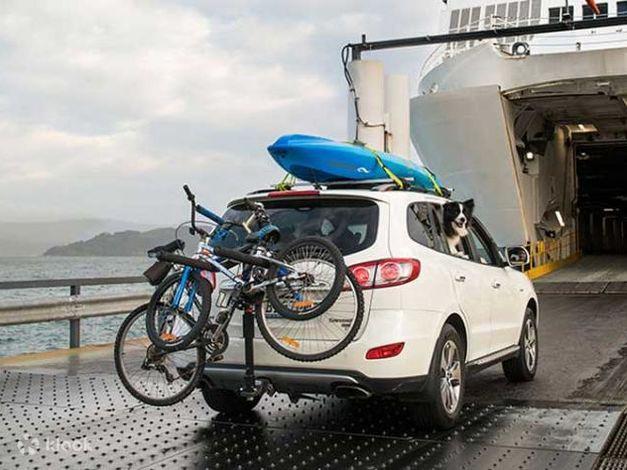
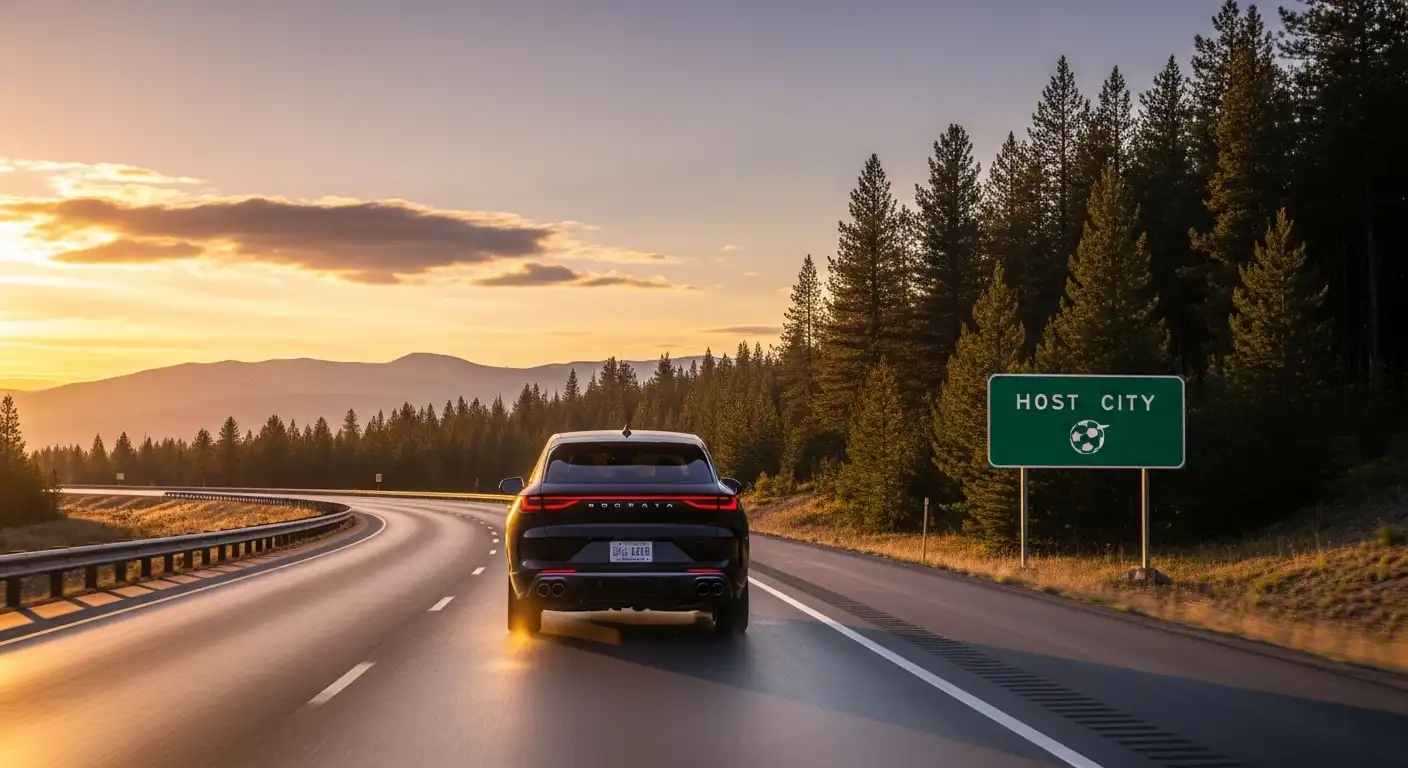
The 2026 FIFA World Cup is more than just a tournament; it is a continental event of unprecedented scale. For the first time, 48 teams will compete across 16 host cities in the United States, Canada, and Mexico. While the matches on the pitch will be legendary, the logistics of getting from a kickoff in Vancouver to a quarter-final in Miami present a unique challenge for fans.
For many, the solution isn’t found in crowded airports or delayed trains, but on the open road. A 2026 World Cup car rental offers the freedom to follow your team on your own schedule. However, with millions of fans descending on North America, the rental market will be tighter than a high-press defense. This guide provides the essential strategies you need to navigate the roads, manage your budget, and enjoy the ultimate soccer road trip.
The Magnitude of 2026 World Cup Travel
 Unlike previous tournaments hosted in single countries like Qatar or Germany, the 2026 edition covers nearly 3,000 miles from coast to coast. Host cities are grouped into three regions—West, Central, and East—to minimize travel during the group stages, but as the knockout rounds begin, fans will need to cross borders and time zones.
Relying solely on domestic flights during this period is risky. Airlines are already predicting record-high fares and overbooked cabins. By choosing a rental car, you gain a mobile base of operations, the ability to stay in more affordable suburban hotels, and the flexibility to explore North America’s iconic landmarks between match days.
Essential Car Rental Tips for the 2026 Season
1. Book Your Vehicle Six Months in Advance
The “Golden Rule” for 2026 travel is early acquisition. The demand for SUVs, minivans, and fuel-efficient sedans will peak in June 2026. Most major rental agencies allow bookings up to a year in advance. Securing your vehicle early doesn’t just guarantee availability; it locks in rates before “event pricing” surges take effect.
2. Mastering the One-Way Rental
Many fans will start their journey in one host city and end in another. For example, you might pick up a car in Seattle after a group stage match and drive down to Los Angeles for the next round. This is known as a one-way rental. While these often carry “drop-off fees,” they are frequently cheaper than the combined cost of multiple flights and ride-shares for a group of four.
3. Understanding Cross-Border Logistics
If your itinerary involves crossing from the U.S. into Canada or Mexico, you must verify your rental agreement. Most U.S.-based rentals allow travel into Canada with minimal paperwork, but driving into Mexico often requires specific Mexican Auto Insurance which must be arranged at the rental desk. Always disclose your full route to your rental provider to avoid voiding your insurance coverage.
Top Road Trip Routes Between Host Cities
To make the most of your 2026 World Cup car rental, consider these high-traffic fan corridors:
- The Pacific Corridor: Vancouver ➔ Seattle ➔ San Francisco ➔ Los Angeles. A stunning drive through the Pacific Northwest with plenty of coastal views.
- The Northeast Megalopolis: Boston ➔ New York/New Jersey ➔ Philadelphia ➔ Toronto. This route is dense with matches and offers some of the best historical sightseeing in the world.
- The Texas Triangle: Dallas ➔ Houston ➔ Monterrey (Mexico). Expect hot weather and wide-open highways in this soccer-mad region.
How to Save Money on Your World Cup Rental
With inflation and high demand, a World Cup road trip can get expensive. Here is how to keep your budget in check:
Avoid Airport Surcharges
Picking up your car at major hubs like LAX, DFW, or JFK often comes with “premium location” fees that can add 15-25% to your bill. Take a short ride-share to an off-airport rental location in a nearby suburb to find lower daily rates and smaller crowds.
Leverage Fuel Efficiency
Gas prices vary significantly across North America. When booking, prioritize “intermediate” or “standard” classes that offer high MPG. If you are traveling in a group, a modern minivan is often more fuel-efficient than two separate smaller cars and offers much more “fan gear” storage space.
Check Your Credit Card Insurance
Before paying for the rental agency’s collision damage waiver (CDW), check if your credit card provides primary or secondary rental insurance. This can save you between $15 and $30 per day, which adds up quickly on a multi-week trip.
Navigating Host City Traffic and Parking
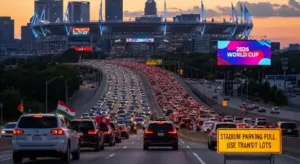 Driving between cities is the easy part; driving inside them during the World Cup is the challenge. Cities like Mexico City, New York, and Toronto are famous for congestion.
Pro Tip: Do not attempt to drive your rental car directly to the stadium on match day. Most venues, such as MetLife Stadium (NY/NJ), will have no general spectator parking on stadium property. Instead, use official “Park & Ride” services or the Official FIFA World Cup 2026 Parking Portal to book off-site transit in advance.
Internal Links to Explore More
Preparation is the key to a stress-free summer. If you’re wondering what kind of vehicle fits your group size, check out our guide on choosing the best SUVs for group travel. Additionally, for those planning long hauls between the West Coast and the South, don’t miss our essential long-distance driving safety tips.
Conclusion: The Road to the Final
The 2026 FIFA World Cup promises to be a festival of culture and sport. By choosing a rental car, you aren’t just buying transportation; you’re buying the freedom to create your own adventure across three nations. From the forests of the North to the vibrant streets of the South, the road to the final starts behind the wheel.