
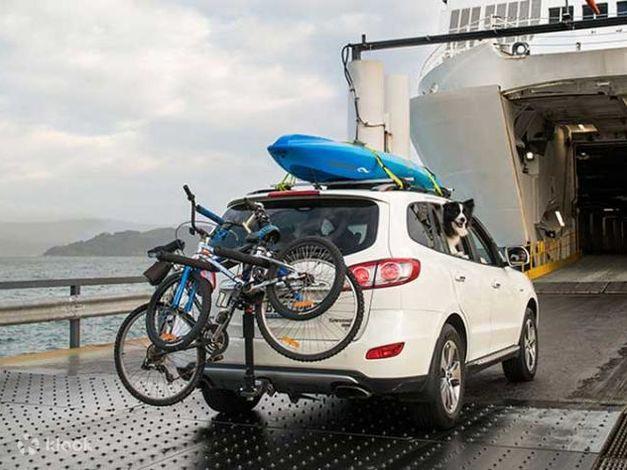
Planning a trip between New Zealand’s North and South Islands? The Cook Strait ferry crossing between Wellington and Picton can be an important part of a self-drive holiday. However, if you are travelling in a rental car, there is one detail to confirm before booking your sailing: whether your rental company permits its vehicles to travel onboard.
Some rental providers allow customers to take their vehicle across the strait, while others require travellers to return the car at one terminal and collect another on the opposite island. Understanding these arrangements early can help you coordinate your ferry reservation, vehicle pickup, luggage, and onward journey.
This guide explains how rental car ferry travel works in New Zealand, what to confirm with your provider, and how to prepare for a smoother crossing.
Can You Take a Rental Car on a New Zealand Ferry?
Yes, rental cars can travel on selected Cook Strait ferry services, but permission depends on the rental company’s individual terms. The ferry operator accepting vehicle bookings does not automatically mean that your rental provider permits its vehicle to cross between the islands.
Before making a reservation, read your rental agreement and contact your provider to confirm its current inter-island travel policy. Ask whether your specific booking permits the vehicle to travel onboard and whether any additional conditions or charges apply.
The official Interislander ferry FAQs and Bluebridge rental car policies explain how rental vehicle arrangements can differ between providers.
Understand Your Two Main Travel Options
Travellers generally have two options when planning an inter-island journey. The right choice depends on the rental company’s rules, your itinerary, luggage, and the convenience of collecting a vehicle at your destination.
Option 1: Take Your Rental Car on the Ferry
If your rental company expressly permits inter-island ferry travel, you may be able to book vehicle space and continue using the same car after reaching the other island. This can simplify your itinerary because you do not need to arrange a separate vehicle collection.
Before choosing this option, confirm that your rental agreement covers the crossing, check whether additional conditions apply, and make sure the ferry reservation matches your travel dates. You should also confirm what happens if the sailing is delayed or cancelled and how that could affect your rental period.
Option 2: Return One Car and Collect Another
Some rental companies require customers to return their vehicle before boarding and arrange another rental at the destination. Under this approach, you generally travel as a foot passenger and collect a separately arranged vehicle after the crossing.
This option requires coordination between the rental locations, ferry terminal, and pickup schedule. Ask where to return your first vehicle, how to reach the passenger terminal, and where to collect the next car in Picton or Wellington.
Do not assume a replacement vehicle will automatically be waiting at the terminal. Confirm the arrangement with the rental provider before finalising your itinerary.
Check Your Rental Company’s Ferry Policy
 This is the most important step in planning your crossing. Rental policies can differ, even when the ferry operator can accommodate the type of vehicle you have booked.
Contact your rental company and ask these questions:
- Can this specific rental vehicle travel onboard the Cook Strait ferry?
- Does the permission apply to both the outward and return journeys?
- Are there additional fees, restrictions, or approval requirements?
- If I must change vehicles, where are the return and pickup locations?
- What should I do if the ferry is delayed or cancelled?
Keep written confirmation of any special arrangement alongside your booking details. This gives you a useful reference if you need to clarify the instructions before departure.
Book Ferry Space Before Your Travel Dates
Once your rental arrangements are confirmed, reserve the ferry for the correct date and direction. Vehicle spaces are limited, and popular sailings can fill up during summer, weekends, school holidays, and public holiday periods.
When booking, provide the requested passenger and vehicle information. If you do not yet know the registration number or exact vehicle details because you have not collected your rental, check the ferry operator’s instructions for completing or updating the booking.
For current vehicle booking requirements, review the Bluebridge frequently asked questions or the official Interislander travel guidance.
Allow Enough Time to Reach the Terminal
Plan your drive to the ferry terminal with enough time for traffic, parking instructions, check-in, and boarding. Do not schedule a tight connection that leaves little room for unexpected delays on the road.
Interislander advises vehicle passengers to arrive at least 60 minutes before departure, with vehicle check-in closing at the stated deadline. Requirements can differ between operators and sailings, so always follow the instructions on your own booking confirmation.
If departing from Wellington, review the official Wellington vehicle check-in instructions before setting off. Check the terminal information for Picton as well if you are travelling in the opposite direction.
Pack an Essentials Bag Before Boarding
When you travel with a vehicle, most of your luggage may remain inside the car during the crossing. However, passengers generally cannot return to the vehicle deck while the ferry is underway. Take everything you need for the sailing with you before leaving the car.
A small bag can include:
- Identification and travel documents
- Phone, charger, and wallet
- Medication and essential personal items
- A jacket or warm layer
- Snacks, water, and children’s essentials
Keep valuables out of sight when the vehicle is parked and follow the crew’s instructions about locking the car and securing it for the voyage.
Compare the Total Cost of Each Option
Taking a rental car onboard may appear more convenient, but the best option depends on the full cost and your travel plans. Compare the ferry vehicle fare and any rental-related charges with the cost of returning one vehicle and collecting another.
When comparing options, consider:
- Ferry fares for passengers and the vehicle
- Any permitted inter-island travel or one-way rental charges
- Transport between the rental branch and terminal
- Vehicle availability at your destination
- Additional accommodation or transport if delays occur
For broader budgeting advice, read our guide on how to avoid hidden fees when renting a car. Compare the total itinerary cost rather than choosing based on one price alone.
Plan Your Route on Both Islands
The ferry is only one part of your journey. Before departing, decide where you will travel after reaching Picton or Wellington and estimate how much time you need to reach your next stop.
Allow room for the disembarkation process, collecting a replacement rental car if necessary, and reaching your accommodation. Avoid scheduling an important appointment or a long, unfamiliar drive immediately after a sailing without allowing a reasonable buffer.
If your trip includes mountain roads, rural destinations, or long-distance driving, check the latest NZTA highway conditions and New Zealand weather forecasts before continuing.
You can also explore the EZU vehicle fleet and our guide to choosing the right rental car when planning the driving portion of your holiday.
Prepare for Delays and Schedule Changes
Ferry services may be affected by weather, sea conditions, or operational issues. A delay can affect a rental pickup, accommodation booking, tour, or onward drive, so avoid building an itinerary with no flexibility.
Check service alerts before leaving for the terminal and monitor messages from the ferry operator. If a sailing change affects your rental arrangements, contact the rental company directly to confirm your options rather than assuming your booking will automatically be adjusted.
Keep confirmation emails, booking references, and important contact details accessible on your phone. If your plans involve several connections, consider allowing extra time between the ferry and your next scheduled activity.
 Quick Checklist Before Your Cook Strait Crossing
- Confirm that your rental company permits the vehicle to travel onboard.
- Arrange a replacement car in advance if required.
- Book ferry space for the correct passengers, vehicle, date, and direction.
- Check terminal directions and the operator’s check-in deadline.
- Prepare an essentials bag before boarding.
- Review the rental agreement for any special conditions or additional charges.
- Check ferry alerts, weather, and road conditions.
- Leave enough time for disembarkation and your next journey.
Frequently Asked Questions
Can I book the ferry before collecting my rental car?
Ferry operators may allow bookings when you do not yet know the vehicle registration. Follow the booking operator’s instructions and update the vehicle details when required. Confirm your rental company’s ferry policy before paying for vehicle space.
Will my rental car be waiting at the ferry terminal?
Not necessarily. If your rental company requires a vehicle change, you may need to travel from the terminal to a rental branch or arrange a pre-approved terminal collection. Confirm the location and timing directly with the provider.
Can I keep driving the same car on both islands?
That depends on your rental company’s terms and approval for inter-island travel. Confirm permission for your specific booking before arranging the ferry crossing.
What happens if the ferry is cancelled?
Follow the ferry operator’s rebooking instructions and contact your rental company if the change affects your pickup, return, or rental period. Keep records of updated bookings and any instructions you receive.
Final Thoughts
A Cook Strait ferry crossing can be a memorable part of a New Zealand self-drive holiday, but rental arrangements should be confirmed before you book. Find out whether your car can travel onboard or whether you need to change vehicles at the terminals.
With confirmed rental arrangements, advance ferry reservations, a practical itinerary, and enough time for check-in, you can plan a smoother journey between the North and South Islands.
For more rental advice and travel planning information, visit the EZU Rental Cars blog.