The travel landscape of 2026 looks radically different than it did just a few years ago. One of the most significant shifts we have seen at EZU Rental Cars is the death of the “hidden fee” era. Travelers are no longer satisfied with a low base rate that doubles once insurance, roadside assistance, and GPS fees are added at the counter. Today, the all-inclusive car rental trend is taking over, offering a seamless, subscription-style experience that prioritizes transparency and technology.
In this deep dive, we explore why the industry is moving toward all-in-one pricing, how “micro-rentals” are changing urban travel, and what you need to look for to get the best value on your next journey.
1. The Rise of the “One Price” Model
For decades, renting a car felt like a gauntlet of upsells. In 2026, the “One Price” model has become the gold standard. This trend bundles comprehensive insurance, unlimited mileage, and even EV charging credits into a single, transparent daily or weekly rate. This shift is driven by a younger generation of travelers who value “frictionless” commerce above all else.
When you choose an all-inclusive package, you aren’t just buying a car; you’re buying peace of mind. You know exactly what will be charged to your card before you even reach the lot, eliminating the “sticker shock” that used to plague the industry.
2. Micro-Rentals and the 15-Minute City

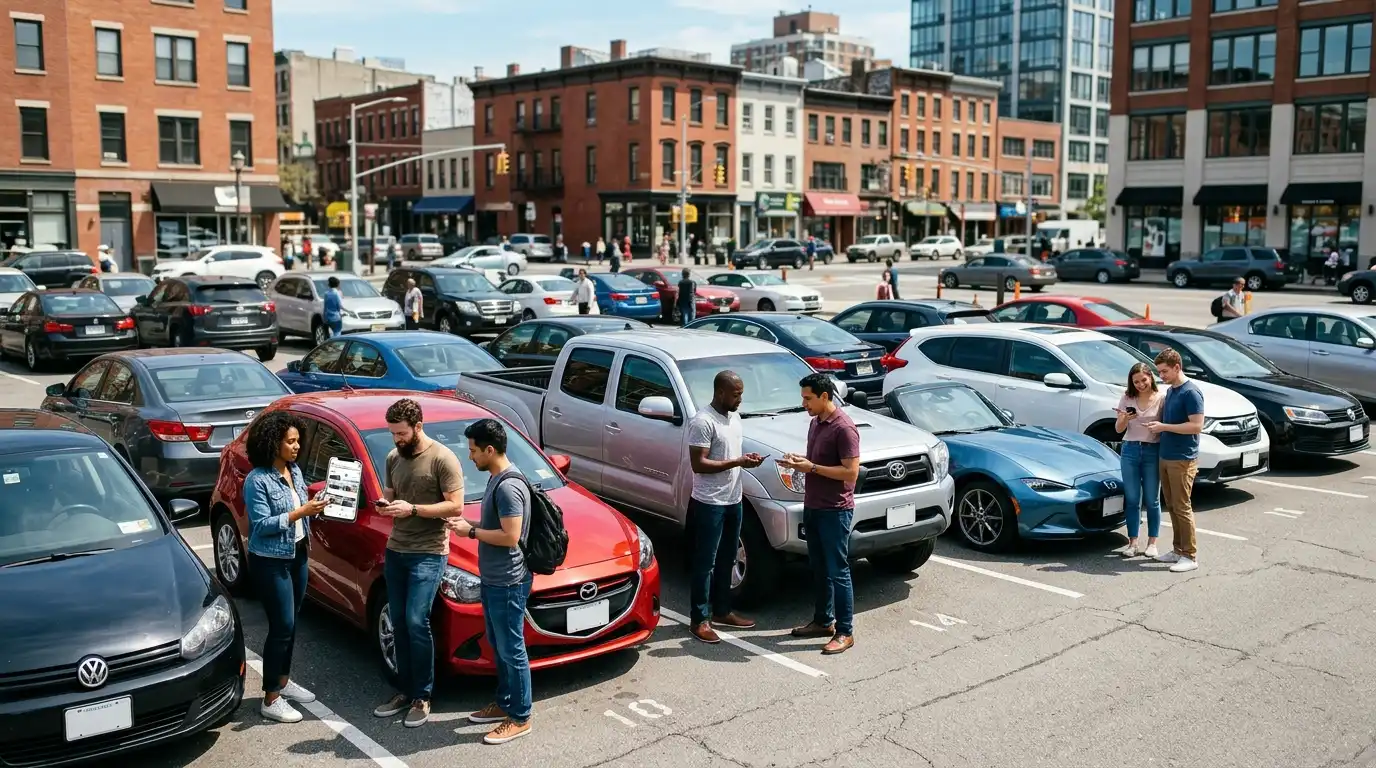
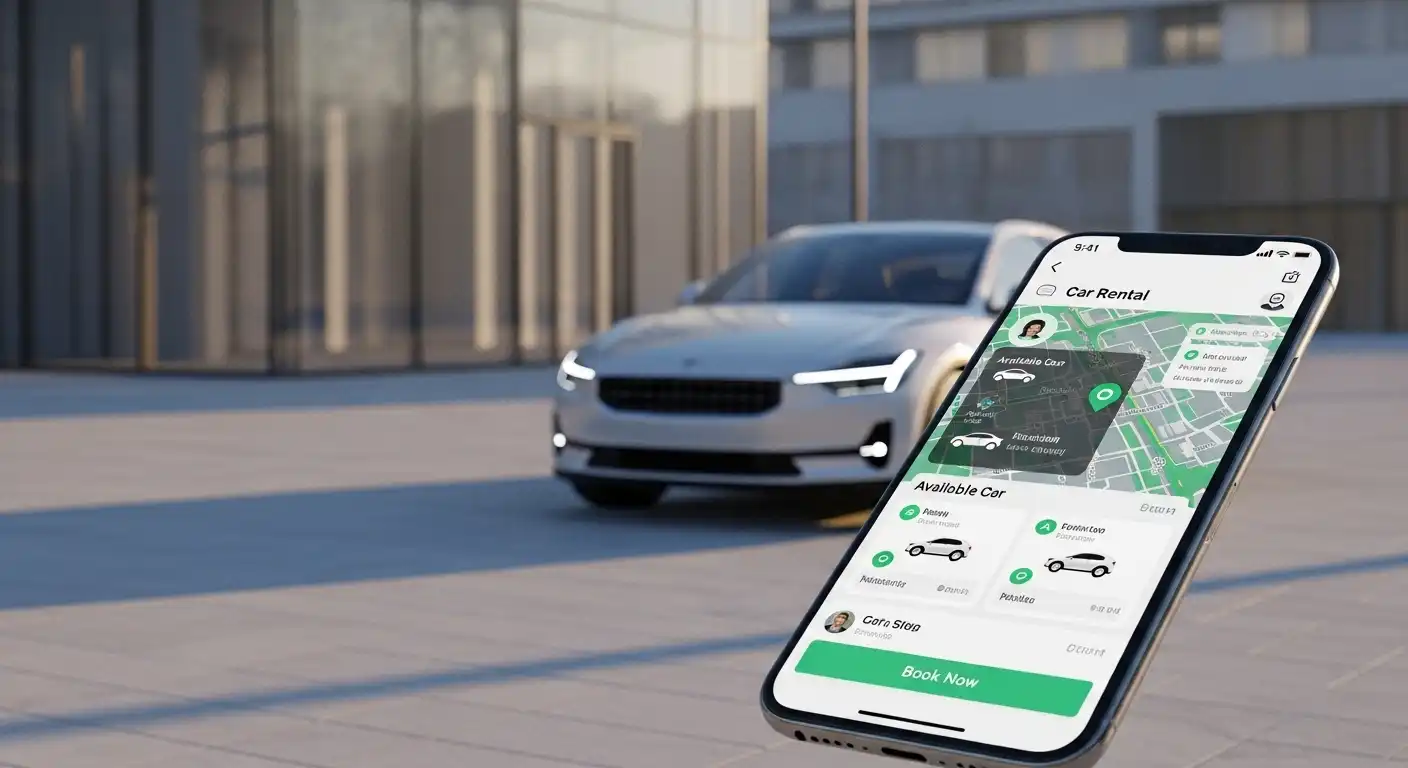
As urban centers continue to adopt the “15-minute city” philosophy, the need for week-long rentals is declining in favor of micro-rentals. These are short-term, app-based rentals that allow users to book a vehicle for as little as two hours to run errands or transport bulky items.
This trend is closely tied to pedestrian-centric urban design. As cities become more walkable, residents don’t want the burden of car ownership, but they still need high-quality vehicles for specific tasks. This synergy between walking and driving is something we closely monitor, as seen in our analysis of modern walkability trends and urban safety.
3. Integrated Safety Technology as a Standard
In 2026, safety is no longer an optional “extra.” The best rental fleets now include Pedestrian Automatic Emergency Braking (PAEB) and 360-degree camera systems as standard equipment. These technologies are crucial for navigating unfamiliar cities, especially during the challenging “8 PM Test” when visibility is low.
By integrating these systems, rental companies are seeing fewer accidents and lower insurance premiums—savings that are passed directly to the consumer. For a technical breakdown of how these systems prevent accidents, you can explore the latest research on causes of pedestrian crashes.
4. The Green Fleet: EV Dominance in 2026
You can’t talk about 2026 rental trends without mentioning the Electric Vehicle (EV) revolution. Most major rental hubs have now transitioned to at least 50% electric fleets. The “all-inclusive” trend extends here as well, with many rentals now including access to nationwide fast-charging networks at no additional cost.
This “plug-and-play” approach removes the “range anxiety” that previously held back EV rentals. Modern renters want to experience the latest Tesla or Rivian without worrying about the logistics of charging or the cost of electricity.
5. Legal Transparency and Digital Contracts
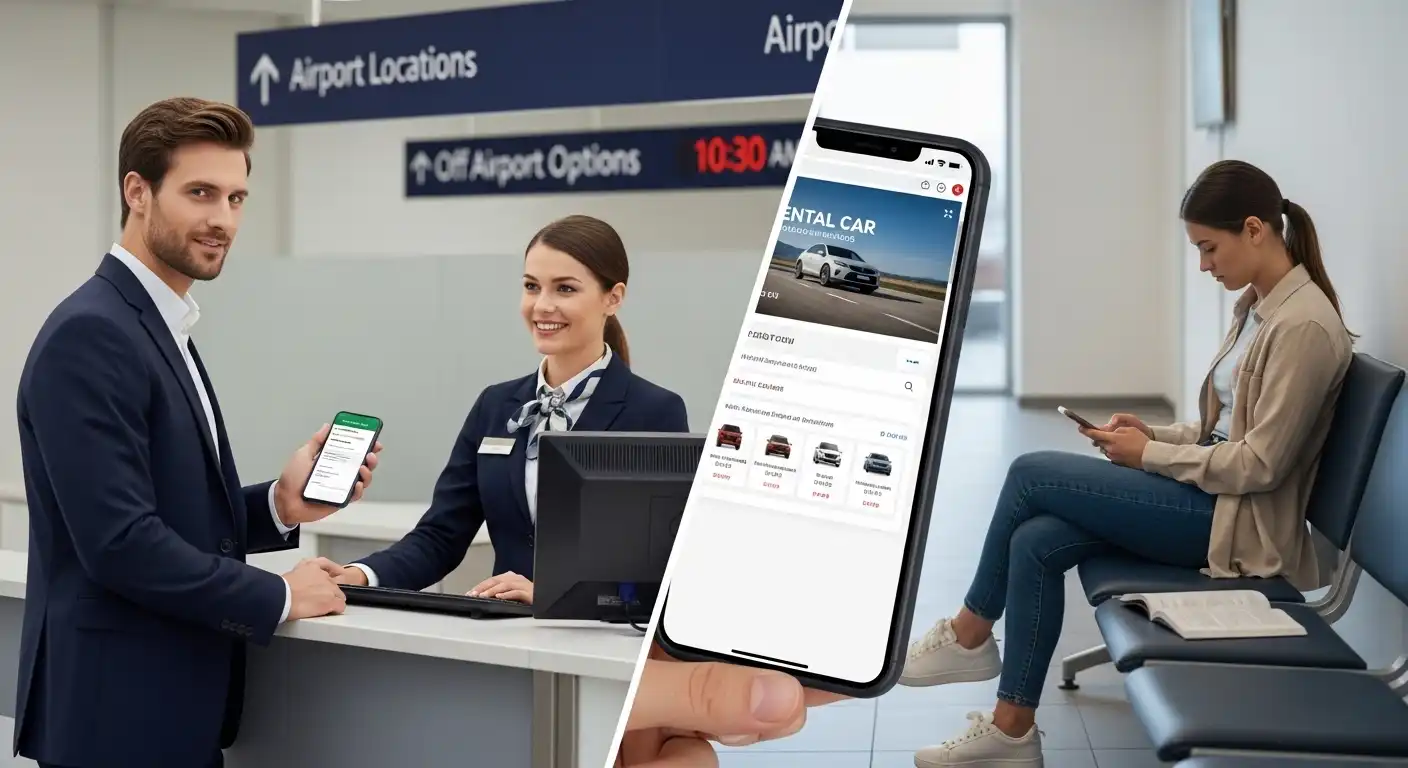
The days of signing a stack of carbon-copy papers are over. 2026 has ushered in the era of smart contracts and digital walk-arounds. Using your smartphone, you now conduct a 360-degree video inspection of the car, which is timestamped and stored in the cloud. This protects both the renter and the company from fraudulent damage claims.
For those interested in the legalities of vehicle safety and liability, staying informed through resources like legal safety protocols can help you understand your rights when operating high-tech machinery in public spaces.
6. Subscription Services: The “Netflix” of Cars
Perhaps the most disruptive trend is the Car Subscription Service. Instead of renting a car for a specific trip, users pay a monthly fee to have access to a fleet of vehicles whenever they need them. This is ideal for digital nomads or those who spend months at a time in a single region, such as Butte County, and need reliable transport without a long-term lease.
How to Spot a Real “All-Inclusive” Deal
 Not every “all-in” deal is created equal. Before you book your next rental on ezurentalcars.com, keep these three things in mind:
- Verify the Deductible: Even if insurance is “included,” check if there is a high deductible in the event of an accident.
- Check Charging/Fuel Policy: “All-inclusive” should mean you don’t have to worry about bringing the car back with a full tank or a 100% charge.
- Review the Tech Suite: Ensure the car includes 2026-standard safety features to protect you and others on the road.
Conclusion: The Future is Flexible
The car rental industry is no longer just about hardware; it’s about the user experience. By embracing all-inclusive car rental trends, companies are making travel more accessible, safer, and more transparent than ever before. As we move further into 2026, the line between “renting” and “owning” will continue to blur, leaving the consumer with more freedom and fewer headaches.
Ready to experience the future of travel? Browse our all-inclusive fleet at EZU Rental Cars today and see why we are the top choice for modern explorers.