
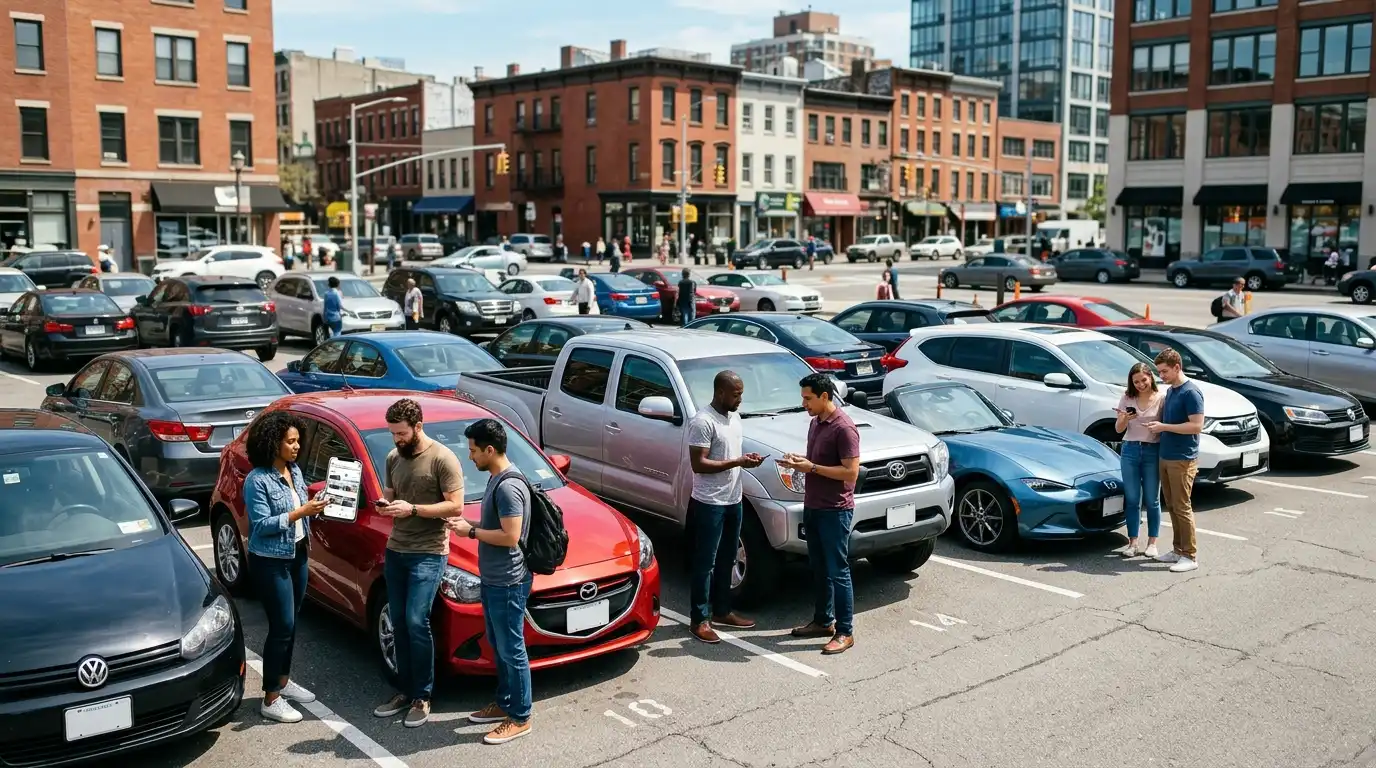
As the world of transportation continues to evolve, one of the most significant shifts in 2026 is the rise of peer-to-peer (P2P) carsharing. This new model is shaking up traditional car rentals and offering consumers more affordable, flexible, and unique options. If you’re looking for a rental experience that’s different from what you’re used to, you might just find the solution in the growing field of P2P carsharing.
What is Peer-to-Peer Carsharing?
Peer-to-peer carsharing allows individuals to rent their personal vehicles to others through platforms like Turo and Getaround. Unlike traditional rental companies, which rely on centralized fleets, P2P carsharing connects car owners with renters directly. The process is facilitated through digital platforms, where users can browse, book, and unlock cars with just a few taps on their mobile devices.
This method of renting has gained momentum in recent years due to its ease and flexibility. It not only provides an opportunity for car owners to monetize their vehicles but also offers a wider range of options for renters who are looking for unique cars or more affordable pricing.
Why Peer-to-Peer Carsharing is Gaining Popularity in 2026
The popularity of P2P carsharing is skyrocketing in 2026 for several reasons:
- Cost Effectiveness: Peer-to-peer carsharing often offers more affordable pricing compared to traditional rental agencies, especially for short-term rentals.
- Flexibility: Unlike traditional rental companies that may have strict pickup and drop-off times, P2P carsharing allows more flexibility with both the duration of the rental and the pickup location.
- Access to Unique Vehicles: Renters can access a variety of vehicles, from economy cars to luxury models, convertibles, or even electric vehicles (EVs) that are not typically available in traditional fleets.
- Convenience: P2P rentals are managed through easy-to-use apps that allow renters to book and unlock cars from anywhere, making it convenient and time-saving.
Benefits of Peer-to-Peer Carsharing for Renters
If you’re considering using a P2P carsharing platform, here are some of the key benefits:
- Lower Prices: Since P2P carsharing cuts out the middleman, the rental prices are often significantly lower than those charged by traditional rental companies.
- More Vehicle Options: You can rent anything from compact cars to sports cars, trucks, and even RVs. P2P carsharing platforms offer a wider selection of vehicles compared to conventional rentals.
- Customizable Rental Periods: You have the option to rent cars for as short as an hour or as long as a few weeks. This flexibility is especially valuable for one-time trips or daily commutes.
Challenges and Considerations
While there are numerous benefits to using P2P carsharing, there are a few considerations to keep in mind:
- Insurance and Liability: Many platforms offer insurance, but the terms can vary. Make sure you’re clear on what is covered before booking a car.
- Vehicle Condition: P2P vehicles are often privately owned, which means that maintenance standards can vary. Always check the car’s rating and reviews before making a booking.
- Availability: P2P carsharing works well in urban areas but may not be as widely available in rural or remote locations.
How Peer-to-Peer Carsharing Compares to Traditional Rentals
While traditional rental companies have been the standard for years, P2P carsharing offers several advantages that may appeal to modern travelers. Here’s how they compare:
| Factor | Peer-to-Peer Carsharing | Traditional Rentals |
|---|---|---|
| Pricing | Lower, flexible pricing | Fixed pricing with fees |
| Vehicle Selection | Wide variety, including luxury and niche cars | Standard fleet options |
| Booking Process | App-based, easy to use | In-person or app-based, less flexible |
| Availability | Available 24/7, with more localized options | Limited hours, centralized locations |
The Future of Peer-to-Peer Carsharing in 2026
 The future of carsharing is bright. With technological advancements and a growing interest in sustainable travel, P2P carsharing platforms are set to expand significantly in 2026. Many traditional car rental companies are even adopting hybrid models that combine P2P and fleet options to stay competitive in a rapidly changing market.
As more cities adopt car-sharing-friendly policies, and as the demand for eco-friendly transportation options grows, peer-to-peer carsharing could become the norm rather than the exception. If you’re planning your next trip or looking for a local vehicle rental, consider the flexibility and convenience that P2P carsharing provides.
Conclusion
In 2026, peer-to-peer carsharing is more than just a trend — it’s a revolution in the way we rent cars. Whether you’re looking for savings, variety, or convenience, P2P carsharing might just be the perfect solution for your next rental. So, next time you need a car, consider exploring this innovative alternative to traditional rentals.
Explore more: