
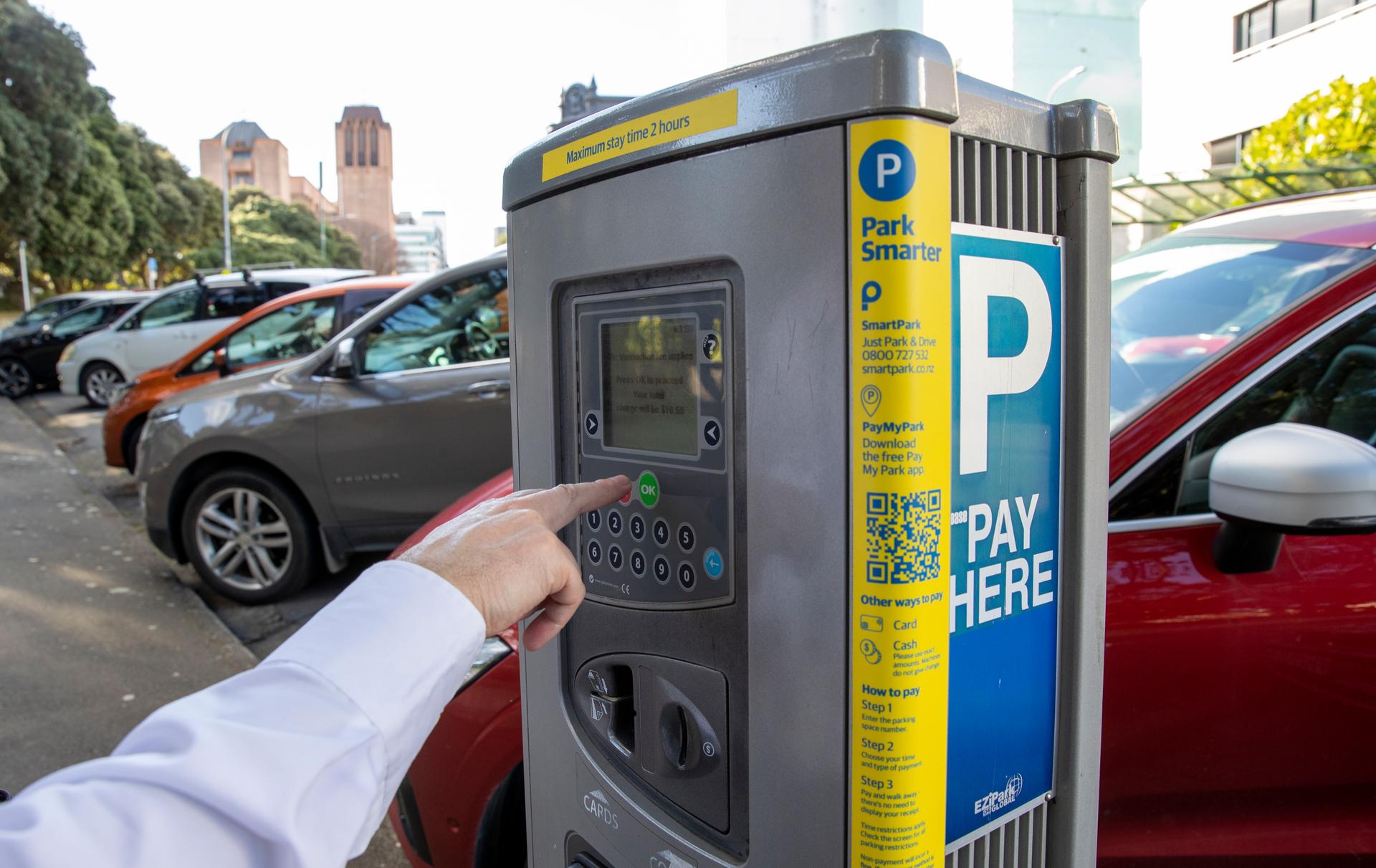
Getting a parking ticket is an unwelcome surprise during any trip. For travelers driving a rental car in New Zealand, it can also raise questions about who must pay, whether the rental company can charge an administration fee, and what happens if the notice arrives after the vehicle has been returned.
The process depends on the type of notice, who issued it, and the conditions in your rental agreement. A council parking infringement is not necessarily handled the same way as a private parking company’s breach notice, so it is important to understand what you have received before taking action.
This guide explains what to do if you get a parking ticket in a rental car in New Zealand, how to check any additional charges, and how to respond if you believe a notice was issued incorrectly.
What Happens When a Rental Company Receives a Parking Ticket?
 When a parking infringement is linked to a rental vehicle, the rental company may receive the notice as the vehicle’s registered owner or be contacted by the issuing authority. The company may then identify the relevant rental period and follow the procedures set out in its agreement and applicable rules.
Depending on the circumstances, the rental company may forward the notice to you, provide information about the infringement, or charge the relevant amount under the terms you accepted when collecting the car.
New Zealand Transport Agency Waka Kotahi explains that rental companies can charge the cost of certain infringement fees, including parking and camera-related infringements, plus an administration fee if the possibility was disclosed at pickup and accepted by the renter.
You can read the official NZTA guidance on renting a vehicle to understand the responsibilities involved.
Who Is Responsible for Paying the Ticket?
Responsibility depends on the notice and the circumstances of the alleged offence. If you parked the rental car in breach of local parking rules during your rental period, you may be responsible for the resulting infringement or parking charge under the applicable rules and rental agreement.
However, do not assume every notice is valid or that every amount charged by a rental company is automatically correct. Check the issuing organisation, the alleged offence, the date and time, and the terms that apply to your booking.
There are two important types of parking notices to distinguish.
Council parking infringements
A local council may issue an infringement for offences such as parking in a restricted area, overstaying a permitted period, or failing to comply with posted parking requirements. The notice should explain the alleged offence, payment instructions, and the process for challenging it.
The New Zealand Government’s guide to paying or disputing fines explains how to deal with notices issued by councils and other authorities.
Private parking breach notices
A private parking operator may issue a notice when a driver breaches the displayed terms for using its car park. Examples include failing to pay the required parking charge or remaining longer than the permitted period.
Private parking notices involve contractual terms rather than necessarily being the same as a statutory council infringement. Read the notice carefully and follow the dispute procedure provided by the operator.
The Commerce Commission’s parking guidance explains the importance of clear signage, evidence of a breach, and the process for raising a parking dispute.
Can the Rental Company Charge an Administration Fee?
Some rental companies charge an administration fee for processing an infringement notice. This may cover the work involved in handling correspondence or providing the relevant rental details to the issuing authority.
However, the fee is not automatically payable in every situation. NZTA states that a rental company can charge the infringement cost and an administration fee for certain notices only when it told you this could happen at pickup and you accepted the arrangement.
Before accepting an additional charge, review your rental agreement and request an itemised explanation if the amount is unclear. Check whether the charge includes the original infringement, an administration fee, or another item.
Our guide on how to avoid hidden rental fees offers further advice on checking charges and understanding rental terms before booking.
What Should You Do If You Find a Ticket on the Car?
If you return to your rental car and find a parking notice, do not ignore it or assume the rental company will automatically resolve it. Take the following steps to understand the issue and protect your options.
1. Read the notice carefully
Check the issuing organisation, vehicle registration, location, date, time, alleged offence, amount claimed, and response deadline. Make sure the details appear consistent with your rental and the place where you parked.
2. Keep supporting evidence
Take photographs of the parking signs, road markings, payment meter, and the vehicle’s location where possible. Keep parking receipts, payment confirmations, and any records that may help explain what happened.
3. Check your rental agreement
Review the sections dealing with parking infringements, administration fees, and the company’s authority to process charges. If you are unsure how a charge was calculated, contact the rental company and request clarification.
4. Follow the correct payment or dispute process
Use the issuing authority’s instructions rather than assuming all parking notices can be handled through the rental company. If you believe the notice is incorrect, follow the stated process for disputing it before the deadline.
How to Dispute a Parking Ticket
 If you believe a parking notice was issued incorrectly, gather the evidence that supports your position and contact the organisation responsible for issuing it.
For a council infringement, use the council’s official dispute or appeal procedure. Explain why you believe the notice should be reviewed and include supporting documents or photographs.
For a private parking breach notice, contact the parking operator and follow its stated process. The Commerce Commission explains that a dispute may be taken to the Disputes Tribunal if the parties cannot resolve it.
If the rental company has already charged your card, contact the company separately about the charge. Ask for a copy of the notice, the relevant agreement terms, and an explanation of any administration fee. Challenging a charge with the rental company does not necessarily pause the deadline for responding to the original notice.
For official payment information, consult New Zealand Police infringement payment guidance when the notice was issued by Police. Follow the specific instructions on your notice, because different organisations handle different types of infringements.
What If the Parking Ticket Arrives After You Return the Car?
You may receive an email, invoice, or card charge after your rental period has ended. This can happen when a notice is sent to the vehicle’s registered owner after the alleged parking offence.
If this occurs, check the date and location of the offence against your rental dates. Request a copy of the original notice and an itemised breakdown of the amount charged. Compare the administration fee with the relevant terms you accepted at pickup.
If you were already overseas when the correspondence arrived, respond promptly and keep copies of your communications. New Zealand Police provides specific guidance for people living overseas who are disputing an infringement fee connected with a rental vehicle.
Read the Police guidance for overseas renters disputing an infringement to determine which organisation to contact based on the correspondence you received.
What Happens If You Ignore a Parking Notice?
Ignoring a notice can make the situation more complicated. Depending on the type of notice and the issuing organisation, unpaid amounts may lead to reminder notices, further collection action, or additional costs.
For statutory infringement fees, the New Zealand Government explains that an unpaid fee may be transferred to the courts, where court costs can be added. Council parking infringements and private parking disputes can follow different procedures, so check the instructions that apply to your particular notice.
If you cannot pay or believe the charge is incorrect, contact the issuing organisation promptly rather than waiting until the deadline has passed.
How to Avoid Parking Tickets in a Rental Car
A few simple habits can reduce the risk of parking problems during your New Zealand trip.
- Read the signs: Check parking restrictions, time limits, payment requirements, and permit conditions before leaving the vehicle.
- Confirm payment: Make sure the parking session has started correctly and keep the receipt or digital confirmation.
- Watch the time: Set a reminder if your parking space has a maximum permitted stay.
- Check the location: Avoid restricted spaces, loading zones, accessways, and areas where parking is prohibited.
- Keep evidence: Save payment confirmations and take photographs if a sign or meter appears unclear.
- Review rental terms: Understand how parking infringements and administration fees are handled before collecting the car.
Before leaving the rental location, our rental car pickup checklist can help you review the agreement and other important details. If another person will be driving, also confirm that they are authorised under the agreement by reading our guide on additional drivers for rental cars in New Zealand.
Parking Ticket Checklist for Rental Car Travelers
- Identify whether the notice came from a council, Police, or private parking operator.
- Check the vehicle registration, date, location, alleged offence, and deadline.
- Keep photographs, parking receipts, and payment records.
- Review the rental agreement for infringement and administration fee terms.
- Request an itemised explanation if the rental company charges your card.
- Pay or dispute the notice through the correct issuing organisation.
- Keep copies of correspondence and payment confirmations.
Frequently Asked Questions
Will the rental company automatically pay my parking ticket?
Not necessarily. The company may receive the notice and process it under the rental agreement, but the handling of the infringement and any related charges depends on the circumstances and applicable terms. Check the notice and contact the relevant organisation if you need clarification.
Can I dispute an administration fee charged by a rental company?
You can ask the company to explain the charge and identify the agreement term that authorises it. NZTA states that certain infringement and administration charges can be passed to the renter only when the possibility was disclosed at pickup and accepted.
Can I challenge a private parking notice?
Yes. Contact the private parking operator and follow its dispute procedure. Keep evidence supporting your position, and consider the relevant consumer guidance if the dispute cannot be resolved.
What if I receive a parking ticket after returning home?
Check the notice and rental dates, request supporting documents if needed, and contact the relevant issuing organisation or rental company promptly. If you are overseas, use the official guidance for your specific type of notice.
Final Thoughts
Receiving a parking ticket in a rental car in New Zealand does not automatically mean every charge is correct or that every notice follows the same process. The important steps are to identify the issuer, check the details, understand the rental agreement, and respond before the relevant deadline.
By keeping records, checking parking restrictions, and understanding how rental companies handle infringements, you can reduce the risk of unexpected complications during your trip.
For more practical advice on vehicle hire and travel preparation, explore the EZU Rental Cars blog.